"Can anyone recommend a curriculum for pre-K and kindergarten? This is a frequent question homeschooling bulletin boards and email lists. It's a perfectly reasonable question, but some of the responses can be confusing to new homeschoolers. We all come into homeschooling with some common preconceptions of what the program should be - but many who have been at it for a while or raised homeschool grads are likely to strongly suggest not setting up a structured study program for young children. This is where some misunderstanding can come into play. Saying that a structured study program for a young child is inappropriate is not at all the same as saying that learning is unimportant during the early years. It's simply that many experienced homeschoolers and other educators feel there are certain kinds of activities that are much more important and appropriate in early childhood than studying the 3 R's - and that to establish a structure that emphasizes the 3 R's at that age can actually be detrimental. If a child is asking to learn to read, of course, that's a whole different matter - but it's simply a question of helping that child learn to read, which is very different thing from setting up a curriculum.
Each family comes with its own dynamic – a beautifully complicated medley of philosophies and needs involving a family’s heritage or culture, parenting style, financial stability, spiritual or religious preference, communication, and of course, educational goals and background. It may not be the right choice for a family to homeschool. These reasons not to homeschool can give you some food for thought.
So, how much does homeschooling cost anyway? As much as you can afford. That isn't a very comforting answer, but it is a realistic one. Some families reportedly homeschool on as little as $50 a year. Most likely you will spend more than that. How much, exactly, is going to depend on the resources you have available and your children's needs.
Nonverbal Learning Disorder (NLD), also called Nonverbal Learning Disabilities, is a developmental disability that affects children's academic progress as well as their social and emotional development. NVLD encompasses a combination of learning, academic, social and emotional issues. This article looks at factors to consider before choosing to homeschool. It discusses scenarios which may lead the parents of a child with NLD to consider homeschooling, and includes case studies of students with NLD who have been homeschooled for varying periods of time.
A look at the academic advantages of choosing to homeschool your child. These benefits come from the opportunity for an excellent education, the inevitability of a dedicated teacher, and education tailored to a child's capabilities and personality, integrated and consistent education, and better teaching materials.

 Homeschooling: You're Doing It Right Just by Doing It *
 Human Body Activity Book for Kids: Hands-On Fun for Grades K-3 *
 The Call of the Wild and Free: Reclaiming the Wonder in Your Child’s Education, ... *
 The Homeschool Planner: Beautiful and Undated with Monthly Tabs | To Do List, Go... *
 Home Learning Year by Year, Revised and Updated: How to Design a Creative and Co... *
 Raising Boys to Men: A Simple, Mercifully Short Book on Raising and Homeschoolin... *
 Exploring Nature Activity Book for Kids: 50 Creative Projects to Spark Curiosity... *
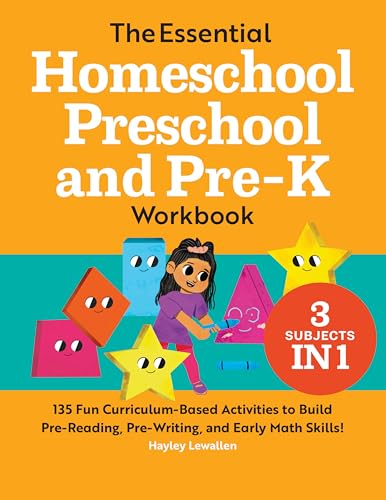
 The Essential Homeschool Preschool and Pre-K Workbook: 135 Fun Curriculum-Based ... *